

- cross-posted to:
- canadapolitics@lemmy.ca
- canada@lemmy.ca
- cross-posted to:
- canadapolitics@lemmy.ca
- canada@lemmy.ca
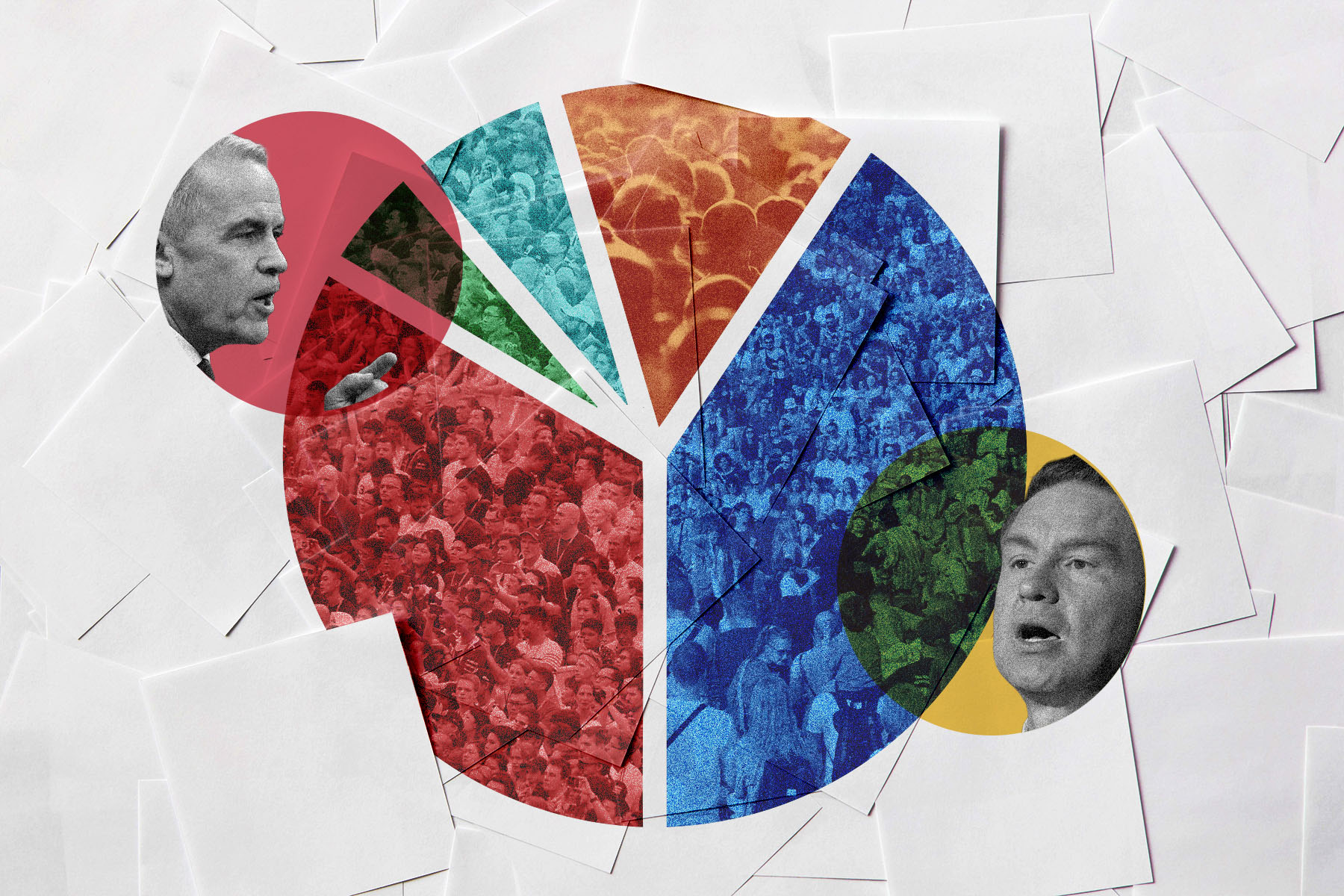
The result was that the Liberals won 157 seats in 2019 and 160 in 2021 in the 338-member House of Commons and formed government despite winning just about 33 percent of votes. In other words, the backing of one-third of the electorate gave them nearly 47 percent of representation in Parliament. Meanwhile, the Conservatives got approximately 34 percent of votes in both elections and won 121 and 119 seats respectively. With more votes, they won far fewer seats than the Liberals.
In 2025, progressive voters from the NDP and the Bloc Québécois voted Liberal strategically. This kind of reversion to something closer to a two-party system favours the Liberals under FPTP—the Conservatives typically win elections only when there is a divide among the centre and left. Assuming six out of ten voters are broadly progressive in their political attitudes, Conservatives have to capture the remaining four while hoping for a favourable split among progressive voters, former Tory campaign manager Fred DeLorey argued in a 2023 article for iPolitics.
A united “progressive” vote means a Liberal win. 2025 is the perfect example: an anti-conservative coalition launched the Liberals back into power. The Liberals won 49 percent of seats with 44 percent of votes, while the Conservatives received 42 percent of seats with 41 percent of votes. Despite the popular vote share for the two parties being within a 3 percent range, the Conservatives ended up with virtually no governing power.
PP conceded the 2025 election.