bombs hitting a house do create emissions from bomb and any burning matter. Oil on fire, absolutely creates emissions comparable to their refined products, and also needs replacement oil to meet original demand for products. Investments in new oil drilling or refineries to meet any current scarcity will also be sucked up until they are dry, or keep producing even if most of the world prefers clean energy. Their production/transportation is some emissions too.
OP is calculating end user consumption for fuels. I’m not sure OP gave an exact number, but they are saying you will drive F150 3-5% less on average.
What I’m saying is that the sheer quantity of combustible hydrocarbons burned after normal production is so much more than what is burned from a damaged well/pipeline.
Imagine a pipeline transports 1 million barrels of oil per day, but an explosion damages it so that 100,000 barrels are burned uncontrolled, but the pipeline is shut down for 10 days. Does burning that 100,000 cause more emissions than is saved by slowing down 10 million barrels of production from the wells that have nowhere to put the oil?
Aggregated across the entire oil market, the price signals and shortages start killing demand, too, so that the world as a whole burns less oil. So if even if the war causes 100 million barrels worth of emissions, if it slows down consumption by 1 million barrels per day for a year, isn’t that a net negative in emissions?
(I know that uncontrolled burning causes lots of other pollution that wouldn’t have otherwise been created, but if we’re talking about just the CO2 it seems that war causing supply disruptions would be a net negative effect to global emissions)
100,000 barrels are burned uncontrolled, but the pipeline is shut down for 10 days. Does burning that 100,000 cause more emissions than is saved by slowing down 10 million barrels of production from the wells that have nowhere to put the oil?
Most of that 10m barrels of consumption will find a way to have it produced somewhere. So emissions is in addition to the fire+repairs. Price disruption due to event will encourage more drilling, and once something is drilled with support infrastructure, it is easily profitable to keep sucking instead of stop sucking, even if fewer use oil
Most of that 10m barrels of consumption will find a way to have it produced somewhere.
Even if 9.8 million barrels get replaced, that’s still a net negative.
And look at what we’ve actually seen in this war. Consumption actually is down, and the IEA is forecasting the total demand for 2026 will be 2.5 million barrels per day lower than 2025. Sellers are filling the gap with stockpiles, because supply is currently down about 5.7 million barrels per day, and demand may further be destroyed if oil reserves are depleted and prices/supply shortages get even crazier.
Basically, the rest of the world combined cannot make up for the disruption in the Middle East and Russia.
Everything I’m seeing is that global CO2 emissions will go down, because even 100 burning oil wells and 10,000 bombs won’t generate the same CO2 as the 700 million barrel reduction in oil consumed this year.


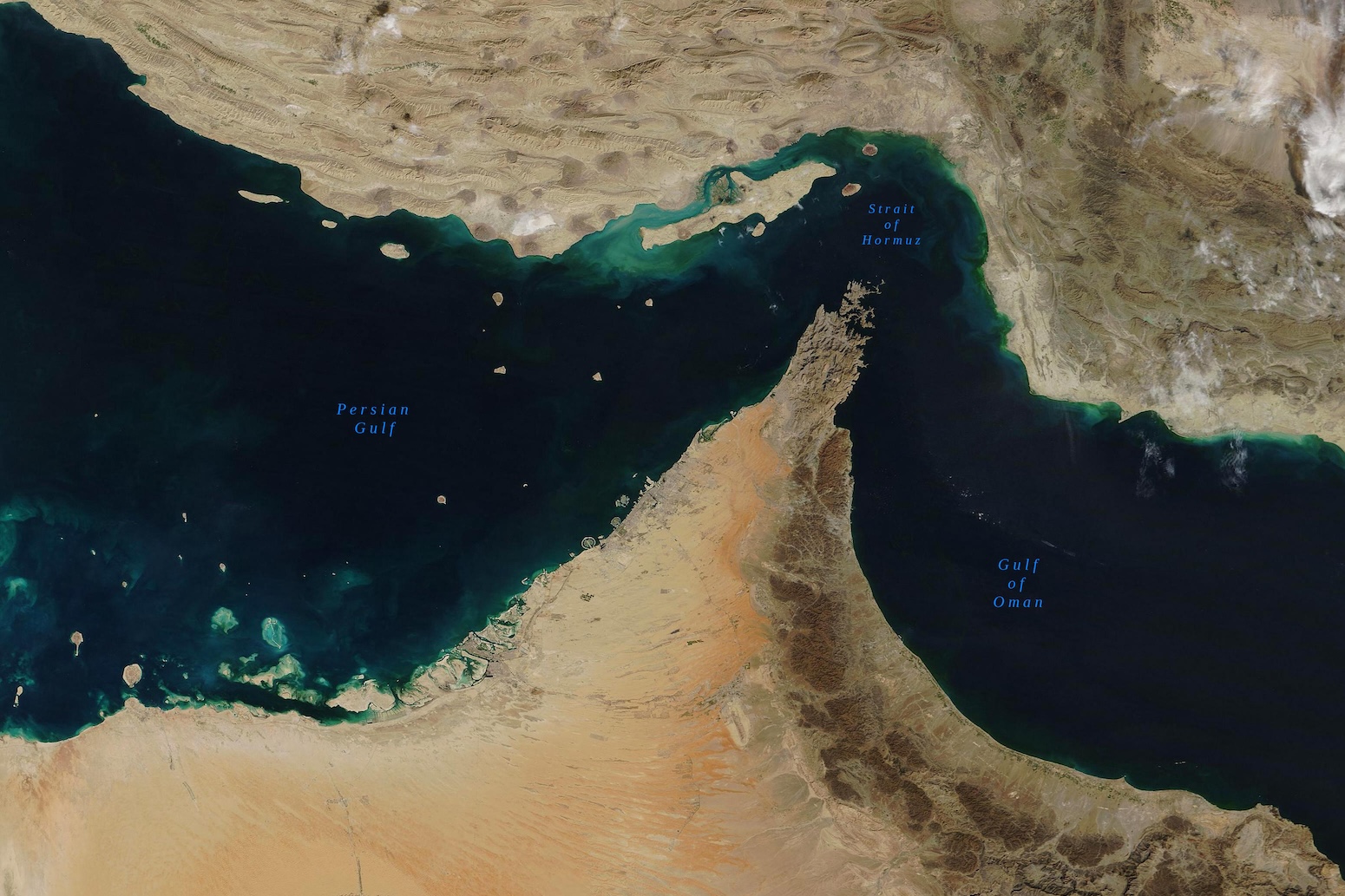
bombs hitting a house do create emissions from bomb and any burning matter. Oil on fire, absolutely creates emissions comparable to their refined products, and also needs replacement oil to meet original demand for products. Investments in new oil drilling or refineries to meet any current scarcity will also be sucked up until they are dry, or keep producing even if most of the world prefers clean energy. Their production/transportation is some emissions too.
OP is calculating end user consumption for fuels. I’m not sure OP gave an exact number, but they are saying you will drive F150 3-5% less on average.
What I’m saying is that the sheer quantity of combustible hydrocarbons burned after normal production is so much more than what is burned from a damaged well/pipeline.
Imagine a pipeline transports 1 million barrels of oil per day, but an explosion damages it so that 100,000 barrels are burned uncontrolled, but the pipeline is shut down for 10 days. Does burning that 100,000 cause more emissions than is saved by slowing down 10 million barrels of production from the wells that have nowhere to put the oil?
Aggregated across the entire oil market, the price signals and shortages start killing demand, too, so that the world as a whole burns less oil. So if even if the war causes 100 million barrels worth of emissions, if it slows down consumption by 1 million barrels per day for a year, isn’t that a net negative in emissions?
(I know that uncontrolled burning causes lots of other pollution that wouldn’t have otherwise been created, but if we’re talking about just the CO2 it seems that war causing supply disruptions would be a net negative effect to global emissions)
Most of that 10m barrels of consumption will find a way to have it produced somewhere. So emissions is in addition to the fire+repairs. Price disruption due to event will encourage more drilling, and once something is drilled with support infrastructure, it is easily profitable to keep sucking instead of stop sucking, even if fewer use oil
Even if 9.8 million barrels get replaced, that’s still a net negative.
And look at what we’ve actually seen in this war. Consumption actually is down, and the IEA is forecasting the total demand for 2026 will be 2.5 million barrels per day lower than 2025. Sellers are filling the gap with stockpiles, because supply is currently down about 5.7 million barrels per day, and demand may further be destroyed if oil reserves are depleted and prices/supply shortages get even crazier.
Basically, the rest of the world combined cannot make up for the disruption in the Middle East and Russia.
Everything I’m seeing is that global CO2 emissions will go down, because even 100 burning oil wells and 10,000 bombs won’t generate the same CO2 as the 700 million barrel reduction in oil consumed this year.